

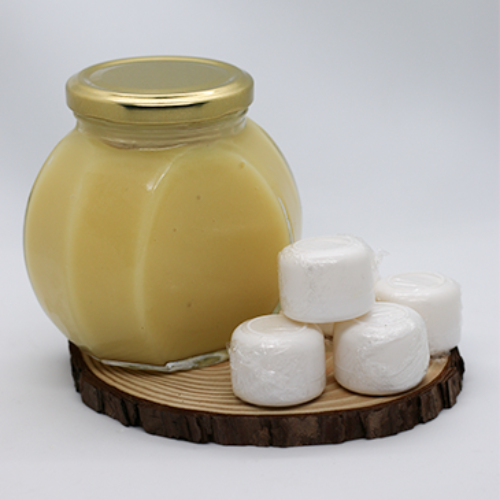
Royal jelly

5.00 $
🍯 Royal Jelly
It is a yellowish-white gelatinous substance secreted by young bees from special glands to nourish the queen bee larvae. It is called royal jelly because it provides complete nutrition for development and is considered essential for the queen bee.
General benefits of royal jelly
-
Increase wound healing speed and protect the skin from infections
-
Prevent skin wrinkles and stimulate collagen production
-
Antioxidant and helps prevent cancer
-
Relieves symptoms of premenstrual syndrome and improves symptoms of menopause
-
Prevent heart disease and reduce cholesterol levels
-
Weight control and obesity prevention
-
Dilate blood vessels and reduce high blood pressure
-
Activate metabolism
-
Improve kidney function and prevent kidney cell deterioration
-
Treats arthritis thanks to its anti-inflammatory properties.
-
Reduce anxiety, stress, and depression
-
Supports memory and improves mental abilities thanks to acetylcholine.
-
Strengthening the immune system and maintaining blood sugar levels
Benefits of royal jelly for men
-
Increase sperm production and improve sperm motility, which increases fertility
-
Increase erection strength and improve testosterone levels
-
Increase sexual desire and lust for men and women
Nutritional value of royal jelly
-
Water: 50–60%
-
Proteins: 18% (most importantly royalactin)
-
Carbohydrates: 151 TP3T
-
Fats: 3–6%
-
Mineral salts: 1.5%
-
Vitamins: B1, B2, B3, B5, B6, B7, B9, B12, C
-
Minerals: calcium, copper, iron, potassium, sulfur
-
Amino acids: 17 types, including the eight essential ones.
-
Polyphenols, nucleic acids, gamma globulin
Sugars in royal jelly
-
Glucose and fructose (90% sugars)
-
Sucrose, maltose, ribose, trehalose, melibiose, erlose
Fats in royal jelly
-
Fatty acids: 80–85% (most important 10-hydroxy-2-decenoic acid)
-
Phenolic compounds: 4–10%
-
Wax: 5–6%
-
Steroids: 3–4%
-
Phospholipid: 0.4–0.8%
How to use
-
It is not taken directly, but mixed with honey according to the age group:
-
Children over 2 years: 5 grams per kilogram of honey
-
Children 10–15 years: 10 grams per kilogram of honey
-
Young people aged 15–40 years: 30 grams per kilogram of honey (maximum)
-
| the weight | 1000 grams, 250 grams, 500 grams |
|---|
Related products
beehive products
7.00 $ 14.00 $Price range: 7.00 $ through 14.00 $
This product has multiple variants. The options may be chosen on the product page
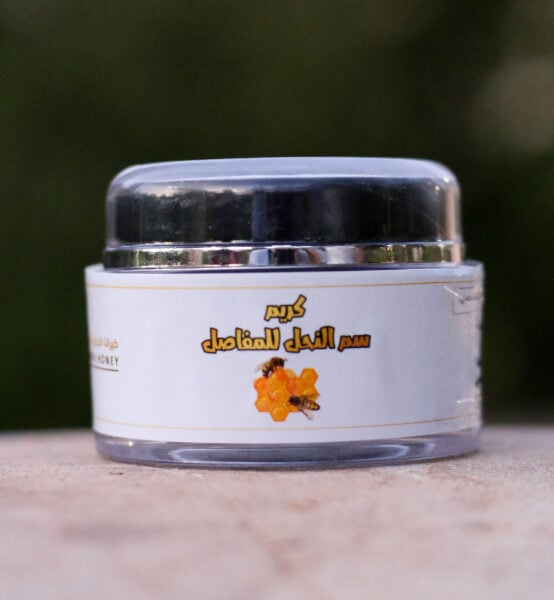
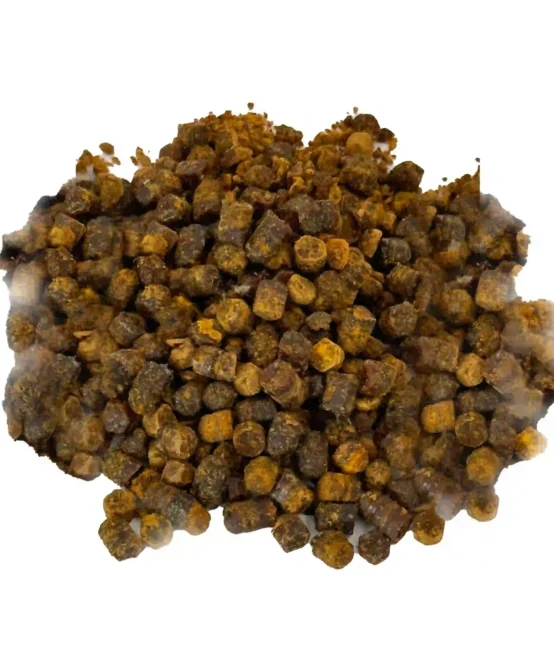
غير متوفر في المخزون
beehive products
57.00 $ 228.00 $Price range: 57.00 $ through 228.00 $
This product has multiple variants. The options may be chosen on the product page
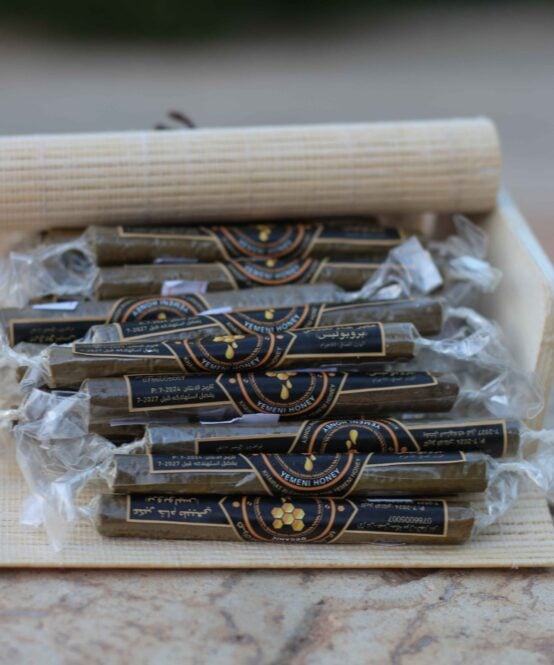
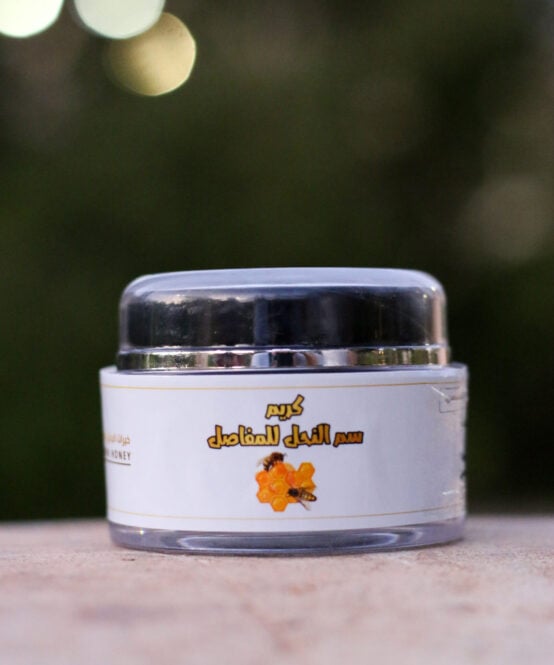
beehive products
15.00 $ 60.00 $Price range: 15.00 $ through 60.00 $
This product has multiple variants. The options may be chosen on the product page