
🍯 Bee pollen
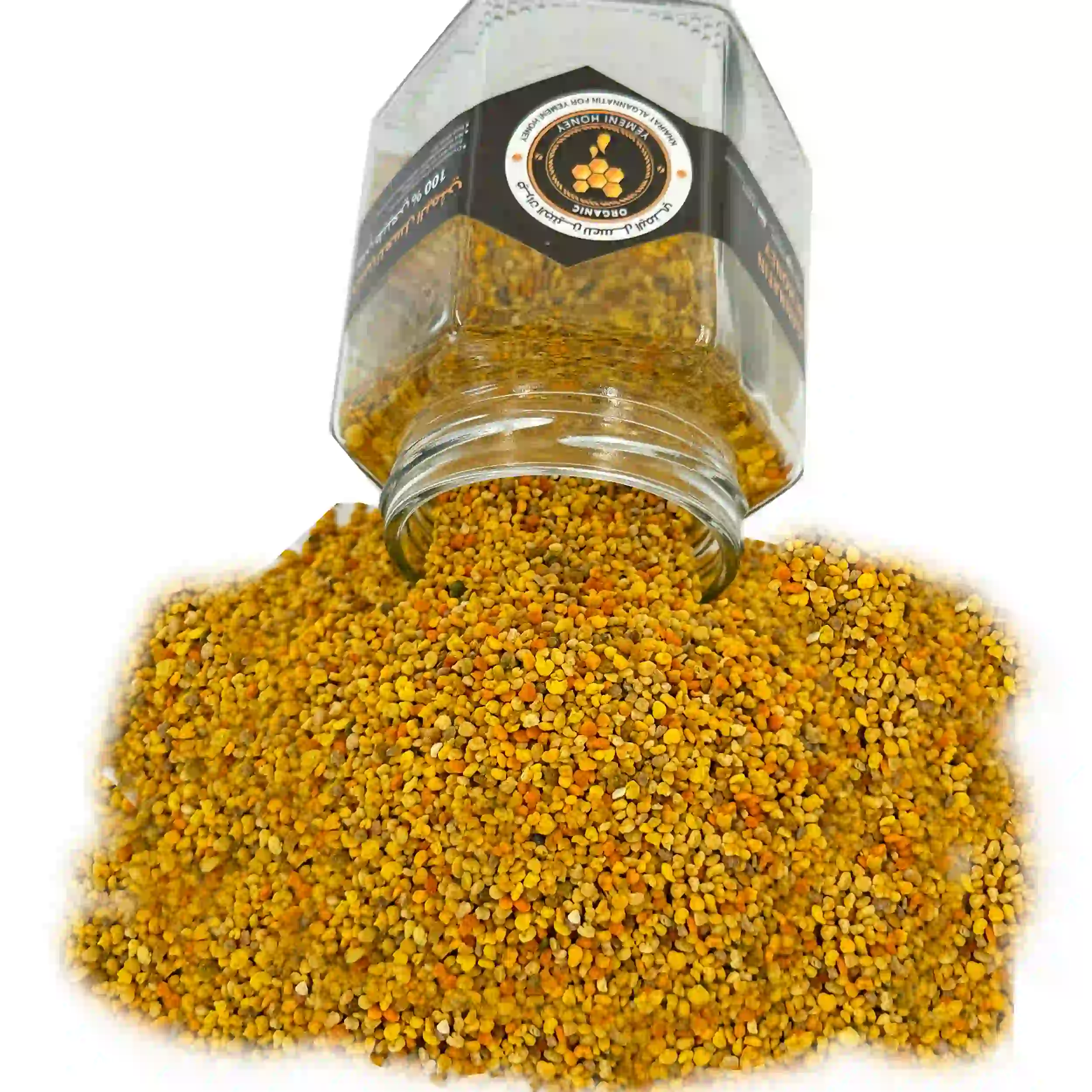
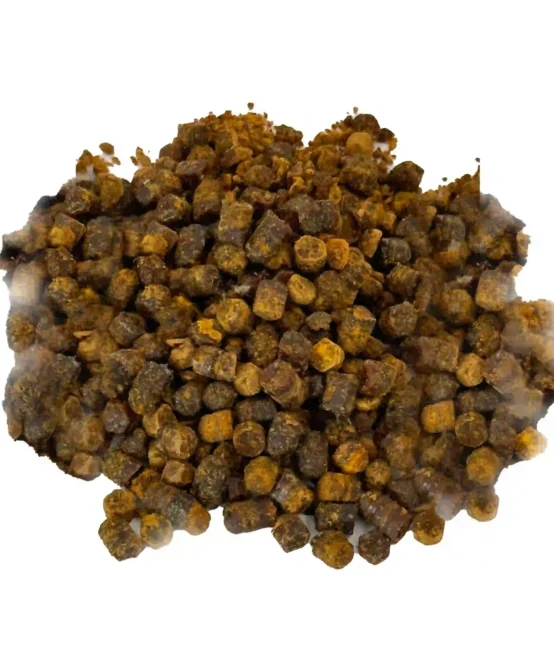
Bee pollen is a natural food containing a mixture of flower pollen and nectar, bee secretions and enzymes, as well as honey and wax. Bees collect it from plants and use it as food for bees, while humans benefit from it for its numerous health benefits.
Nutritional value of bee pollen
-
Carbohydrates: 40%
-
Proteins: 35%
-
Fats: 5%
-
Water: 4–10%
-
Other items: 5–15%
Vitamins: A, E, C, B1, B2, B6, folic acid, biotin
Minerals: Calcium, phosphorus, magnesium, potassium, sodium, iron, zinc, selenium, copper
Other vehicles: Antioxidants, flavonoids, natural antibiotics, amino acids, phytosterols, enzymes
Fats: Triglycerides and phospholipids
Benefits of bee pollen for the body
-
Boost your immune system and reduce seasonal allergy symptoms.
-
Improve body fat and cholesterol levels
-
Reducing the risk of heart disease and protecting the liver
-
Treating osteoporosis and accelerating the healing of wounds and burns
-
Fighting and preventing cancer
-
Treatment of asthma and stomach problems
-
Reducing inflammation, including arthritis
-
Reducing the side effects of chemotherapy
-
Improve memory and delay aging
-
Reducing symptoms of depression
-
Benefits for the skin such as treating acne, eczema, and skin rashes.
-
Support muscle growth and accelerate recovery
Benefits of bee pollen for men
-
Treatment of chronic prostatitis or prostate enlargement
-
Reducing the risk of prostate cancer
-
Supporting sexual health and treating testicular dysfunction
-
Improving fertility in men, including those with diabetes
Benefits of bee pollen for women
-
Reducing menopausal symptoms and hot flashes
-
Relieve symptoms of premenstrual syndrome
-
Regulating ovarian function
Benefits of bee pollen for children
-
Enhance the absorption of essential nutrients such as iron, calcium, and phosphorus.
-
Supporting child growth and size increase
Precautions for using bee pollen
-
May cause hypersensitivity in children, so test before use.
-
Caution should be exercised in people who are allergic to bee products.
| the weight | 1000 grams, 250 grams, 500 grams |
|---|
Related products
غير متوفر في المخزون
beehive products
57.00 $ 228.00 $Price range: 57.00 $ through 228.00 $
This product has multiple variants. The options may be chosen on the product page
beehive products
7.00 $ 14.00 $Price range: 7.00 $ through 14.00 $
This product has multiple variants. The options may be chosen on the product page